Reflections on 40 Years of Railway Preservation in East Kent, Plus a Bit of Bus Preservation - Part IV
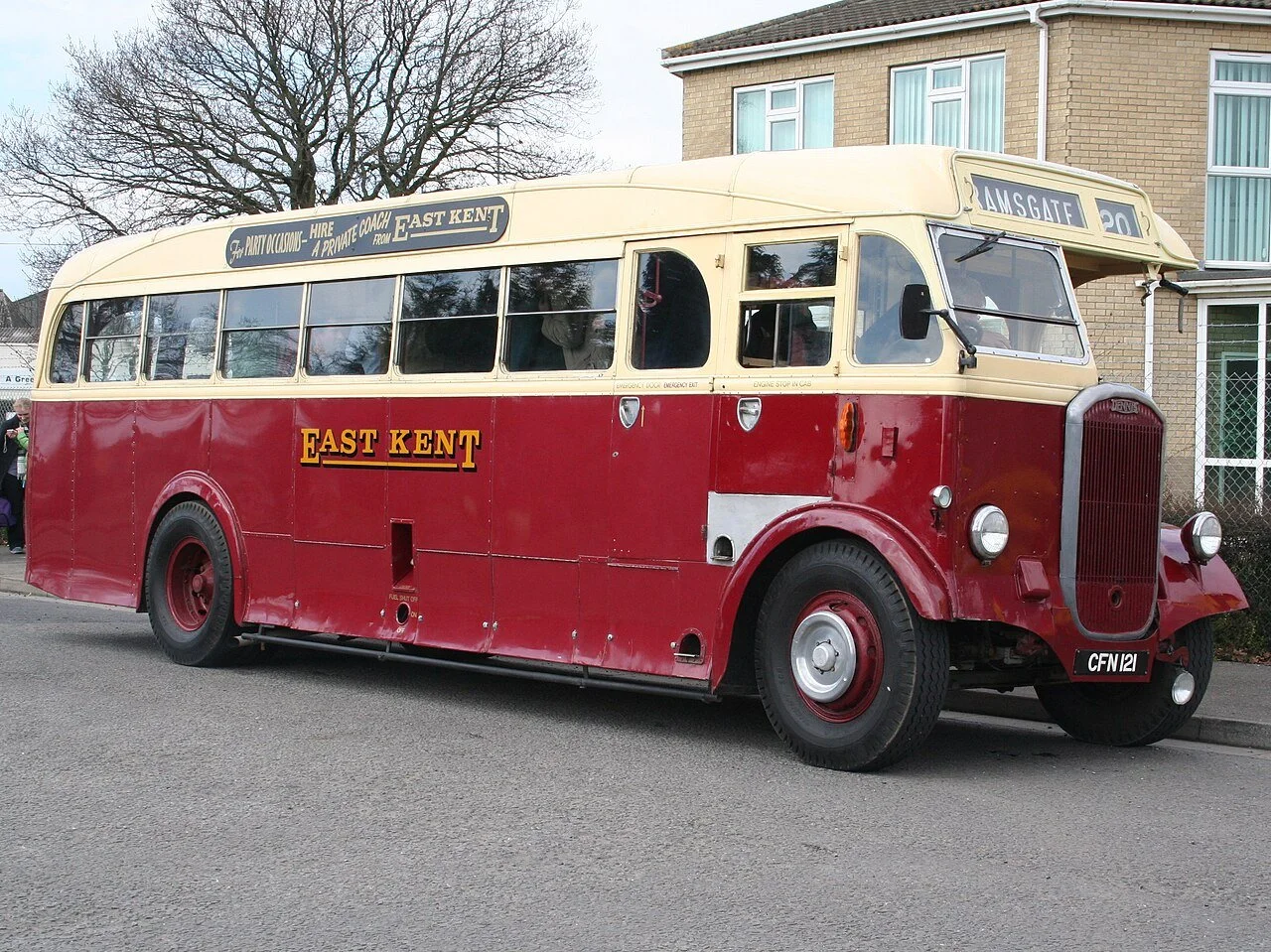
Jon's pics, CC BY 2.0, via Wikimedia Commons

Article written by David Harris, Chairman of the Trustees, East Kent Railway Trust
An inaugural meeting was convened for the proposed Bus Preservation group. It took place in a railway coach at Shepherdswell. This must have been outside the operating season as it stood in the platform.
It was decided to preserve only East Kent Road Car Co vehicles.
Positions were agreed. Early meetings took place in a pub. This was very unsatisfactory for many reasons. One of the committee lived in a large Georgian house which had a large table in what was called the breakfast room. This became our committee room.
Charitable status was applied for and obtained at the second attempt. The National Association of Road Transport Museums was also joined and Colin and I were the representatives of East Kent Road Car Heritage Trust. This was the name of our Trust and we trustees were ‘self-appointing’.
Trust owned vehicles were: an AEC Bridgemaster, originally a Dover bus; an AEC Swift single decker, also originally a Dover bus; and an AEC Reliance single decker which had no seats. These three vehicles were stored at different locations - a garage was needed. Colin in his travels discovered an ex mushroom farm where the smaller buildings were rented by various small businesses, but the big main shed was empty and vacant. This was taken on under a rental agreement with the owner. It was a metal clad building and part of one wall was missing. This was repaired by volunteers from another group that Barry ran.
Vehicles owned by trustees were: a Leyland TD5 Beadle coach conversion, and an AEC Commodore coach, owned by Colin; another trustee had a Guy Arab double decker and a Dennis Lancet coach - these he kept at home in a barn; Paul and Barry had the AEC Regent 5, which was kept on a farm in a shed, alongside the landlord’s London Transport RT.
In order to pay the rent on the mushroom shed, other bus owners in the area were invited to keep their vehicles in it as sub-tenants.
This was how the EKRCHT started. The photograph for Part 3 shows the shed.