The Christmas Raffle – A Mutualistic Partnership between Charities & Businesses
Article by Shirley Leader, IF Hampshire Corresponent
It’s that time of year again, yes, we are talking about Christmas. Businesses get inundated with requests for raffle prizes, and charities are desperately trying to source them.
So why does this phenomenon occur?
The festive season is that time of year when charities look to raise the most amount of money from within their local community. Many Christmas fairs are being held; everyone is in a joyous mood and money is being set aside by consumers to buy gifts for their loved ones. Local businesses call it the ‘golden quarter’ and quite rightly so. Businesses secure the majority of their revenue during this season and if successful, the profit gained can lead to a strong foundation to begin the next year.
From a charity’s perspective, raffle competitions make up a large part of fundraising income throughout the festive season. As well as raising valuable funds, they attract new supporters and strengthen ties within the community. Businesses often run raffles for a local charity or for themselves. Whilst it may seem like a bit of fun for those entering these competitions, raffles are a valuable source of income for both of the businesses and charity involved.
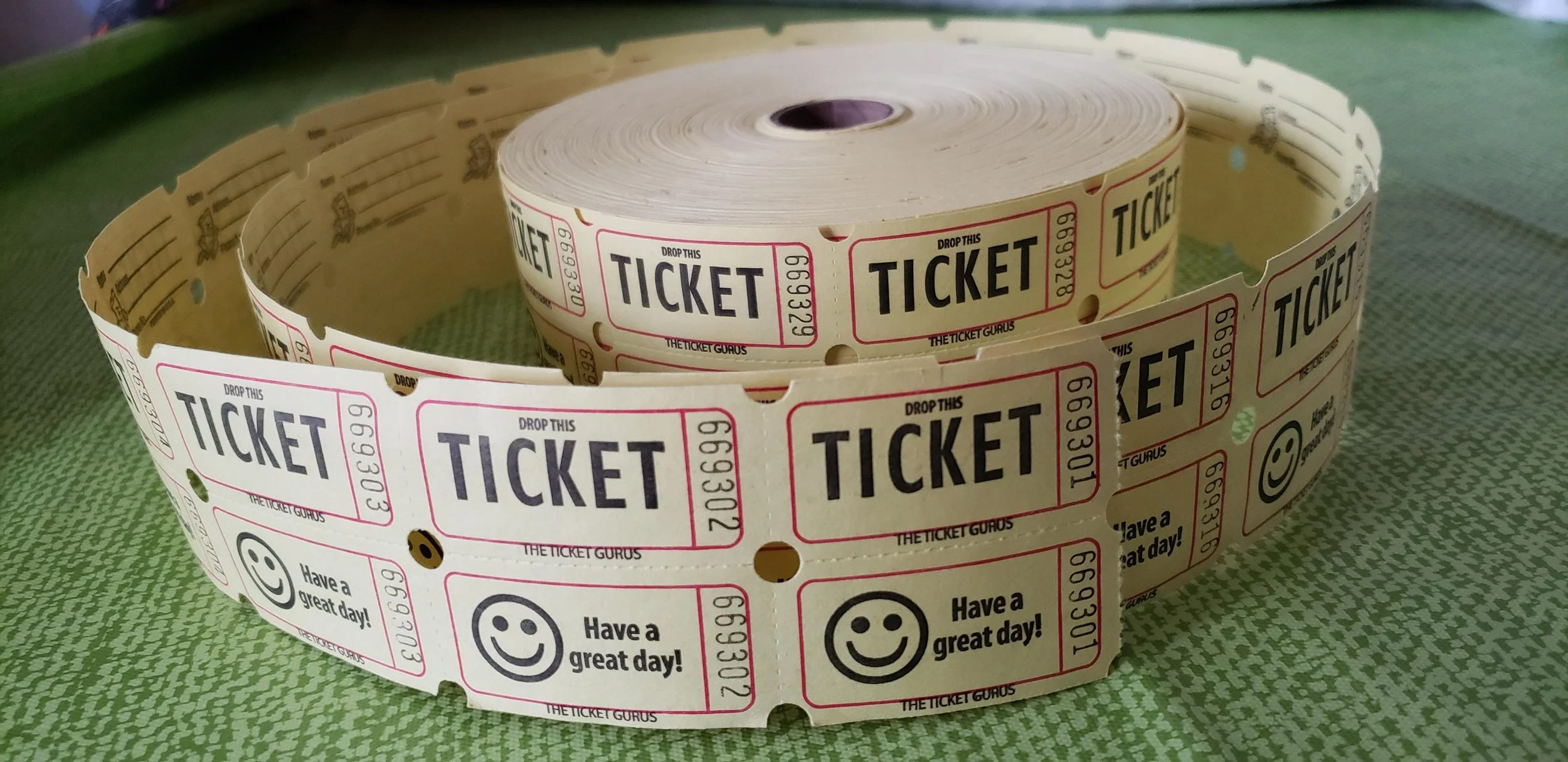
Image by Eulaine McIntosh from Pixabay
Let us deep dive a little on charities… Charities are often created where there is a gap in public funding from central government and local councils. Every day approximately 20 charities are created (https://charitycommission.blog.gov.uk, 2024/2025 data), all increasingly wanting a bigger slice of a small pie. Charities rely on various income streams such as community funding, trusts, corporate giving, legacy and grants etc. To reduce the deficit between income vs. expenses, money has to be sought from somewhere. Charities often resort to creative schemes e.g. holding a 5K walk, running a cake sale etc.
Running a raffle, the right way can play a big part in all of this. In my experience as an ex-boutique owner on the high street, Christmas appears to be the peak season for requests. The popular shops get inundated with requests. Eating into their bottom line and donating a monetary value of prizes typically worth between £10 and £100, businesses often struggle to say no, especially when they are new to the business. They don’t want to upset current or prospective customers. Over time, the businesses select a few specific charities that they would like to support and budget for any ad-hoc ones. One business owner told me that she receives at least 1 request per month and has now set up a yearly budget to manage these.
So, what would be a mutually beneficial relationship between charities and businesses?
Here are some ideas:
Charities:
Build relations - No cold calling. Businesses tend to regularly support a charity that they have a connection with.
Limit the number of requests in a given year.
Promote the business in your shop, website or social media after receiving a donation or a raffle prize.
Support the business throughout the year.
Businesses:
Look for opportunities to proactively help a local charity, e.g. make them your charity of the year, give them a small percentage of your sales, put a collection tin on your shop counter or hold a shop raffle for them. Tie it in with your birthday or a national event to maximise income.
Make use of dead inventory e.g. past season’s products, to donate to raffles.
Donating to charities can be tax deductible. Ensure that you read up on the rules around this e.g. if you are receiving publicity by using your brand logo placement then this could be seen as buying advertising. https://www.gov.uk/hmrc-internal-manuals/business-income-manual/bim45072

As a mutually beneficial arrangement, Charities could ask their local community to buy prizes from local businesses to give towards the charity raffle. This way the business benefits as well as it does not eat into their profits.
So, this Christmas, do think more seriously about supporting charity raffles as they could benefit both the charity and the business.