Burnhamism & the Future of Nationalised Railways
Article written by Tomos Day, Intelligence Forums Policy and Public Affairs Correspondent
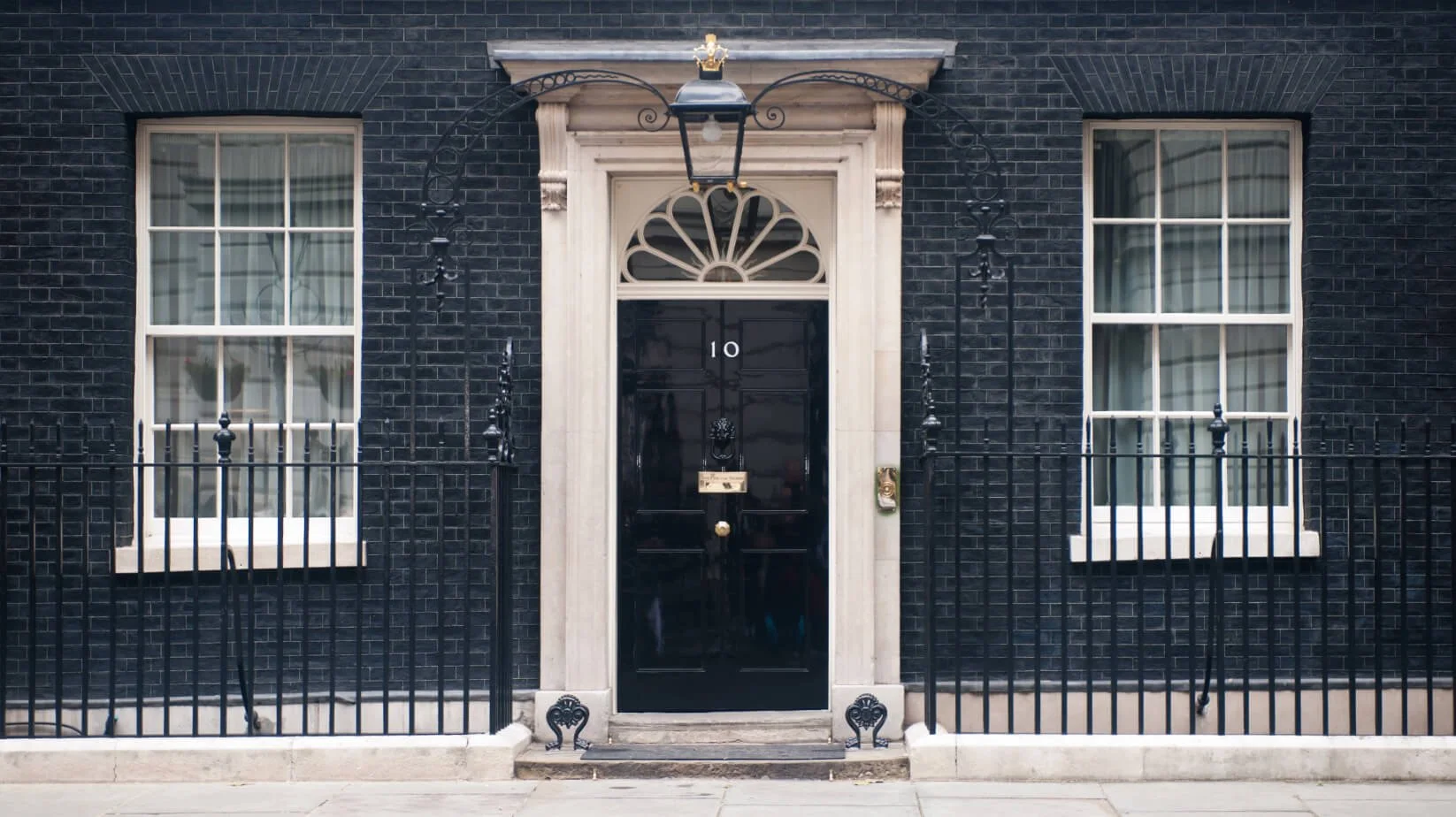
On Monday 20th July, the United Kingdom is braced for a new occupant of Number 10. The ‘King in the North’, as the tabloids like to call him, is Labour's answer to what they perceive as a challenging two years for their party in Government. One area where the Government did continue to move is on its manifesto commitment to nationalise the railways and bring it back into public ownership.
Indeed, the Passenger Railway Services (Public Ownership) Act 2024 did exactly that and began the slow process of bringing various franchises into public ownership. The current Railways Bill continues at a steady, albeit behind schedule, pace. It seemed that public ownership and centralised control was agreed on a cross-party basis, with even the Williams-Shapps Review (2021), Shapps being the last Conservative Transport Secretary, calling for the “unity of track and train” (Read: state-run).
And so it was, the Conservatives, Liberal Democrats and Labour Party had in a rare moment of consensus come to agreement on how in principle the railways should be managed, and for obvious reasons. The public supported nationalising rail by a significant margin with polls consistently showing two thirds to three quarters of the public supporting such a measure. With that level of support and another Labour occupant in Downing Street, the Rail industry could breathe a sigh of relief, but can they?
One issue that reared its head in the Committee Stage of the Railway Bill in the Commons was the question of devolution. The Liberal Democrats wanted to see further devolution of powers between England, Wales, and the Metro Mayors. However, the Government tried to maintain a difficult stance in the Bill, citing the importance of centralised control, while seeking memoranda of understanding between the various nations and regions on its own local transport plans, with ultimate power resting in Whitehall. In this Parliament, the Labour Government has made centralisation its current ethos.
You might see where I am going with this, Andy Burnham has made significant stock on the need to centralise power out of Whitehall and to the regions, and his own Bee network in Manchester and the sense of powerlessness he had when the Manchester leg of HS2 was cancelled, will likely signify a potential risk to a new, nationalised and centralised model of the railways.
Mr Burnham is likely to want to see the metro regions hold further power of rail infrastructure and planning. However, is there not significant risk that this fundamentally returns the UK to a franchise system, only instead of private operators, we are creating regional operators run by those local state actors instead?
While it is impossible to suggest the public would be opposed to this, we should look at the reasons people cited they disliked the franchise model. People felt that the discordance between different operators, operating under different best practices, answering to different executive models, only served to muddy and ultimately lower standers of operation for the entire network.
It's easy to see why this would be a worry, as the accepted narrative is that the franchise system failed. What we are likely to see is the break up of the rail and transport governance model from separate companies, to centralised state control, now to separate local authorities.
While any potential announcement on this is likely very far in the future. It is important for us to think about what structure we would like to see for our railways. Devolving transport to the regions will sound like an excellent idea. After all, Mr Burnham himself is often vaunted for his successful Bee Network. However the fragmentation of the rail network to appease an arguably ideological view on the structure of the state would be premature and not lead to the best outcome for the Rail network or passengers.
It would also, fundamentally contradict the Labour Party’s own view on the importance of nationalisation meaning centralisation instead. Louise Haigh MP, Labour’s first Transport Secretary, long-time Shadow Transport Secretary and understood to be the woman behind Burnham’s leadership team said herself in the Commons in March 2023, and spoke of: “The same failing operators; the same waste and fragmentation; the same broken system. Labour will end the fractured, fragmented system holding our railways back”. A system broken apart would likely lead to these frustrations rearing their head again.
Burnham may have grand designs on moving power out of Whitehall into the regions, but he will have to address his own Government’s decades long view that nationalisation would solve the previously “fragmented” system. As by its very nature handing parts of a whole out to regional governments would constitute fragmenting the railways into separate regions. Time will tell if he chooses to do so, or stay on the already plotted course of Great British Railways.