Reflections on 40 Years of Railway Preservation in East Kent, Plus a Bit of Bus Preservation - Part I
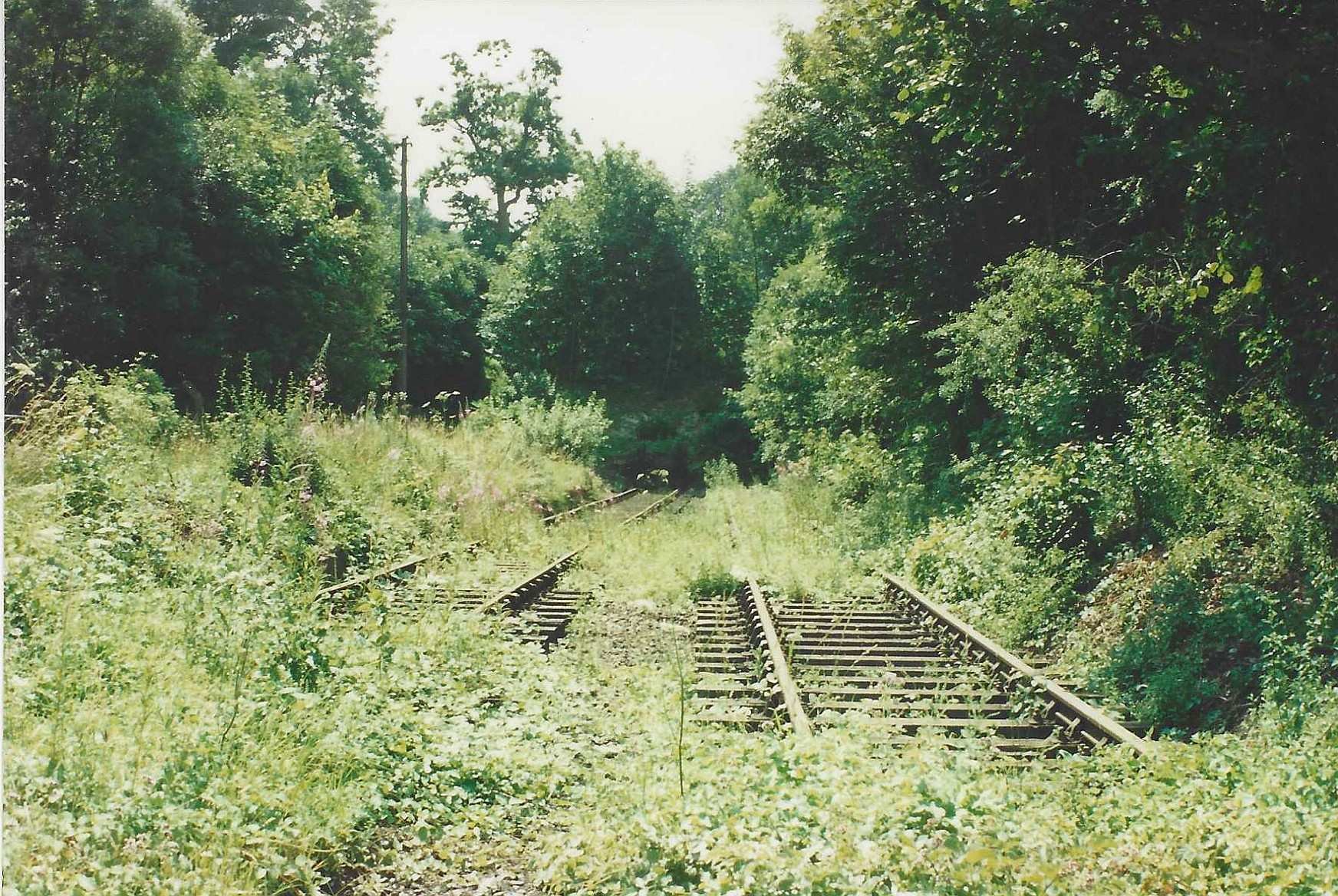
Photo credit: East Kent Railway Trust
Article written by David Harris, Chairman of the Trustees, East Kent Railway Trust
I spotted a piece of editorial in the local newspaper and thought, “This is just right for me. It is local to me and something that I have always wanted to do but never did.” Also, it was a preserved railway project that was starting from scratch.
The railway was the remnant of the Colonel Stephens-built East Kent Railways, noting the plural of “Railway”. Most people know that coal was discovered in Kent during an early Channel Tunnel exploration boring at Shakespeare Cliff, Dover, around the turn of the 20th century.
The first piece of railway to be built was the section that still exists today: Shepherdswell Station to Tilmanstone Colliery, owned by the colliery company. As this article is not intended as a history lesson, suffice it to say that British Railways took the line over in 1948 solely for the carriage of coal from the colliery to the main line and beyond. This traffic ceased with the miners’ strike of 1984, and official closure came about three years later.
The newspaper article stated when and where the inaugural meeting was to be held. The year was 1985 and the month was November. I drove to Dover, parked in a side street, and ran through the torrential rain to Biggin Hall, a small hall at the rear of the Town Hall. I entered to find the hall full. I found a seat at the end of a row and looked around to see people standing at the back.
The idea of saving the East Kent Railway came from a geologist who lived in Chiswick. He could not attend the meeting, but his friend, who lived in Sandwich, Kent, was his co-founder and attended and chaired the meeting. Light railway author Ivor Gotheridge came down from London to provide the enthusiasm. He spoke to the meeting, explaining how easy it would be to get started: “A little tank engine and a couple of coaches, water from a bowser.”
It was agreed by the meeting to form the East Kent Light Railway Society, and membership subscriptions were taken. I joined there and then. An initial committee was formed when volunteers were requested. I did not volunteer at that time.
However, a few months later, a newsletter came out saying that the Secretary had moved to another county and a new one was needed. I wrote to the Chairman volunteering my services for this position. He interviewed me in the office at his house and said there had been no other applicants. I received his agenda for the next meeting and went along with my pen and notepad.
This meeting was also in Sandwich, at the home of a classic car enthusiast. I minuted that BR, Dover District Council and British Coal, as the NCB had become, had been approached. Some provisional meetings took place on site with BR officials, both local and from Waterloo. Then came a meeting with a man from the BR Property Board, and a lease was agreed that extended to the station throat only, with strict instructions not to fill it up with rusty rolling stock.
During the period of trying to get the lease, there was some local opposition. A meeting took place in the mainline station car park between the opposing locals, DDC and BR. The man from BR Waterloo was very supportive. It was early 1989 when we signed the lease to allow us on site. Now we could wield tools to attack vegetation.
Easter Saturday 1989 saw a good number of enthusiastic people turn up. They were men and women of all ages, and all carried some form of implement. The two platform roads were heavily overgrown, as no train had entered them for many a year. The coal trains bypassed them using the spur to the mainline. By this time, however, no trains had run anywhere on the EKR since the miners’ strike. Vegetation was encroaching everywhere.
Sunday and Monday saw fewer people attending. However, by the end of Easter, the tracks in the station area were completely clear of the small bushes, brambles and weeds that had been there before.